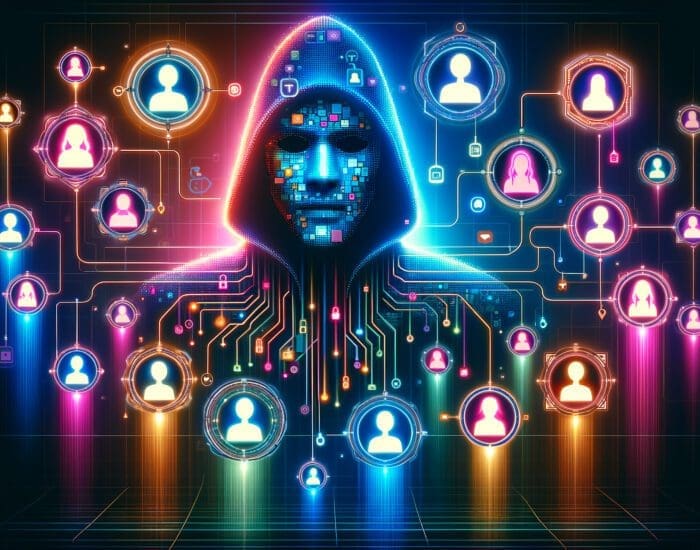
In today’s digital landscape, the most sophisticated firewalls and advanced AI-driven security systems can be rendered ineffective by a single human error. Social engineering exploits human psychology, making it one of the most potent threats to organizational security.
Understanding Social Engineering
Social engineering involves manipulating individuals into divulging confidential information or performing actions that compromise security. The primary tactics include:
- Phishing: Deceptive emails or messages that trick recipients into revealing sensitive information or downloading malware.
- Smishing: SMS-based phishing attacks that lure victims into clicking malicious links or sharing personal data.
- Vishing: Voice phishing calls where attackers impersonate trusted entities to extract information.

The Escalating Threat Landscape
Recent statistics highlight the growing menace of social engineering:
- 68% of data breaches in 2024 were attributed to human error, including social engineering scams.
- Smishing attacks surged by 328%, with average losses of $800 per incident globally.
- Vishing attacks increased by 30%, showcasing the rising use of phone-based social engineering.
- AI-powered voice cloning has facilitated sophisticated scams, including a notable case where a finance worker was deceived into transferring $25 million during a deepfake video call.
The Human Factor: A Double-Edged Sword
Humans are often considered the weakest link in cybersecurity. Attackers exploit natural behaviors, emotions, and motivations to gain trust and manipulate actions.
High-profile incidents underscore this vulnerability:
- Uber’s 2022 breach stemmed from an attacker posing as IT support, convincing an employee to share credentials, leading to extensive access to internal systems.
- MGM Resorts faced significant disruptions after hackers used social engineering tactics to steal millions and cause operational chaos.
Proactive Defense: The Role of Simulations
To combat these threats, organizations must adopt proactive measures:
- Simulated Phishing Exercises: Training employees to recognize and respond to phishing attempts.
- Multi-Vector Attack Simulations: Combining various social engineering tactics to test and strengthen employee awareness.
- Regular Assessments: Identifying vulnerabilities in security systems and processes through real-world scenario simulations.
Hacker Simulations: Your Partner in Cyber Resilience
At Hacker Simulations, we specialize in human-powered social engineering assessments, including:
- Phishing Simulations: Crafting realistic email attacks to evaluate employee responses.
- Smishing Campaigns: Testing susceptibility to SMS-based scams.
- Vishing Exercises: Conducting voice phishing scenarios to assess reaction protocols.

Our tailored approach ensures that your organization is not only aware of potential threats but is also equipped to handle them effectively.
Take Action Now
Don’t wait for a breach to expose vulnerabilities.
Schedule a free consultation today to partner with Hacker Simulations to fortify your human defenses against social engineering attacks.
References:
- https://secureframe.com/blog/social-engineering-statistics
- https://keepnetlabs.com/blog/top-30-phishing-statistics-and-trends-you-must-know-in-2024
- https://thehackernews.com/2025/01/top-5-ai-powered-social-engineering.html
- https://www.coalitioninc.com/blog/the-psychology-of-social-engineering
- https://cloudsecurityalliance.org/articles/what-are-the-benefits-of-a-social-engineering-campaign
- https://www.wsj.com/articles/hotels-and-travel-firms-battle-ai-phone-scams-274cc3da
- https://hoxhunt.com/blog/social-engineering-training
- https://perception-point.io/guides/bec/social-engineering-prevention-methods-why-your-organization-needs-them
- https://bluegoatcyber.com/blog/the-importance-of-social-engineering-assessments
